Post: Folic Acid in Pregnancy: Why It Matters
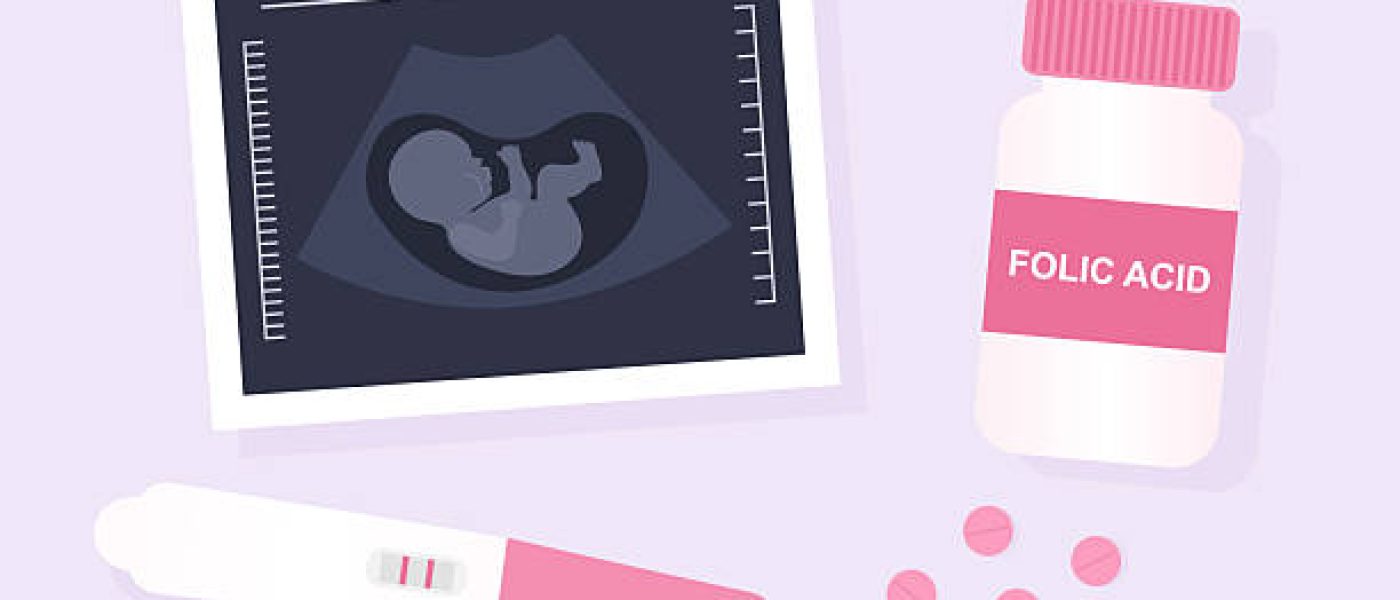
Pregnancy is a beautiful journey with plenty of changes in a woman’s body. At this time, a good diet is more vital than ever. Folic acid in pregnancy is one of the vital nutrients that is key in supporting the proper growth and development of your baby. It helps lower the chance of significant birth abnormalities and helps to build healthy cells.
Many women know they should take folic acid, but may not completely understand why it matters or when they should start taking it. Knowing its benefits helps you make informed choices for a healthier pregnancy.
What Is Folic Acid?
Folic acid is the man-made version of folate, which is a B vitamin (Vitamin B9). Folic acid is a synthetic version of folate found in supplements and fortified meals. The body utilizes this vitamin to create new cells and to manufacture healthy red blood cells.
Pregnancy is a time of fast growth for your baby’s body. This procedure needs a lot of folate to help cell division and DNA creation. If the mother doesn’t get enough folic acid, the baby’s brain and spinal cord may not develop properly.
Why Is Folic Acid Important In Pregnancy?
Doctors recommend that pregnant women take folic acid because it helps prevent neural tube problems. In the first several weeks of pregnancy, the baby’s brain and spinal cord develop from the neural tube. At this early period, many women do not even know they are pregnant.
Taking adequate folic acid before and during early pregnancy considerably reduces the chances of diseases such as:
- Spina bifida
- Anencephaly
- OTHER NTDs (NEURAL TUBE DEFECTS)
Besides safeguarding the baby’s development, folic acid in pregnancy is good for the mother’s health too, by aiding the body to make healthy red blood cells. This minimizes the risk of certain types of anemia in pregnancy.
Folic Acid: When to Take It?
At least a month before conception, health professionals suggest starting folic acid. It’s best to continue taking it during the first 12 weeks of pregnancy, while the baby’s brain and spinal cord are developing.
Many health care experts recommend that women of reproductive age take folic acid daily, because many pregnancies are unplanned. Protection during early supplementing prior to pregnancy confirmation.
If you are pregnant and have not begun taking folic acid, you should contact your doctor as soon as possible. It’s better to start early, but starting a little later can still help maintain healthy pregnancy outcomes.
How Much Folic Acid Should You Take?
If you are healthy and pregnant, most women are recommended to take 400 micrograms (mcg) of folic acid daily before pregnancy and during the first trimester.
Some women with particular risk factors may need a higher dose, often 5 milligrams (mg), such as:
- A previous pregnancy with a neural tube defect
- Diabetic
- Obese
- Some medicines for epilepsy
- Family history of neural tube defects
Always consult your health care professional before using greater doses.
Foods High in Folate
Eating folate-rich foods also aids a healthy pregnancy, but supplements are advised.
Good sources are:
- Spinach
- Kale
- Broccoli
- Asparagus
- Lentils
- chick peas
- Black beans
- Oranges Avocados
- Enriched breakfast cereals
A healthy diet and folic acid supplements provide your body with the nutrition it needs.
Folic Acid Benefits for Mom and Baby
Folic acid in pregnancy has many vital benefits.
Promotes Healthy Brain Development
Brain development starts very early in life for the baby. Folic acid helps the brain and nerve system develop properly.
May Help Prevent Neural Tube Defects
One of the best-known benefits is a reduced incidence of congenital abnormalities of the brain and spine.
Supports healthy cell growth
Each new cell your baby makes needs folate. Helps make DNA and helps cells divide normally.
Helps make red blood cells
Pregnant ladies require extra blood to nourish their growing baby. Folic acid helps make healthy red blood cells and also helps prevent anemia.
May Lower Other Pregnancy Risks
Some evidence suggests that getting enough folic acid could help prevent some heart problems, cleft lip, and premature delivery, although more studies are being done in these areas.
Can You Get Enough Folic Acid from Food?
A lot of women have a tough time getting the necessary quantity from meals alone. Cooking can destroy some of the folate content of vegetables, and the amount eaten daily can vary.
That’s why doctors advocate taking a dose of folic acid along with good nutrition. Supplements give you a consistent daily quantity.
What happens if you don’t get enough folate?
Low amounts of folic acid in pregnancy can raise the risk of:
- Neural tube defects
- Fetal Growth Restriction
- Low-birth weight
- Anemia in Pregnancy
- Complications with pregnancy
These hazards can often be lowered by taking folic acid before conception and in early pregnancy.
Can You Overdose on Folic Acid?
The suggested dose is safe for most pregnant women. But it is not advisable to use excessively high doses without medical assistance.
Excess folic acid can also disguise vitamin B12-deficient symptoms, making diagnosis harder. That’s why you should take supplements only as your healthcare physician directs.
Maintaining Healthy Folate Levels
A few easy habits every day can ensure you get all the folate you need.
- Take your folic acid pill every day.
- Eat lush green veggies regularly.
- Consume beans and lentils.
- Opt for fortified cereals when you can.
- Go to all your prenatal visits.
- Follow your doctor’s advice throughout the pregnancy.
Small lifestyle adjustments can have a major impact on both mother and baby.
Final Words
Pregnancy is a period when every nutritional choice counts. Taking folic acid in pregnancy is one of the easiest yet most effective strategies to support your baby’s healthy growth. It prevents significant birth deformities, aids in brain and spinal cord growth, and assists in the production of healthy cells. The baby’s neural tube develops in the first few weeks of pregnancy. It’s best to take folic acid before you get pregnant to help safeguard the infant.
A balanced diet, frequent prenatal care, and a daily intake of folic acid all combine to offer your kid the very best start. If you have any queries regarding the proper dosage or your nutritional needs, always see your healthcare provider for specialized counsel.
Koohi Goth Hospital – Specialist Pregnancy Care
Here at Koohi Goth Hospital, we are dedicated to serving women in every step of the pregnancy. Our skilled obstetricians offer compassionate prenatal care, nutritional counseling, routine screenings, and tailored treatment plans to help you have a healthy pregnancy for you and your baby. Schedule your prenatal appointment today and receive the skilled treatment you deserve.
Frequently Asked Questions (FAQs)
- Why is folic acid vital in pregnancy?
This can help avoid neural tube problems and promote your baby’s brain, spine, and overall development.
- When to start taking folic acid?
You should start at least 1 month before pregnancy and continue during the first 12 weeks of pregnancy.
- How Much Folic Acid Do Pregnant Women Need?
Most women need 400 mcg a day, unless their doctor tells them to take more.
- Can I obtain enough folic acid from food?
Healthy foods include folate, but most women require a supplement every day.
- Is folic acid safe during pregnancy?
Yes. Folic acid is safe and advantageous for pregnant women when taken in the prescribed quantity.

Quick links
Subscribe to Our Newsletter
Copyright © 2026 . All Rights Reserved. Powered By Digital Cube