
Post: Understanding Pregnancy Symptoms Month by Month
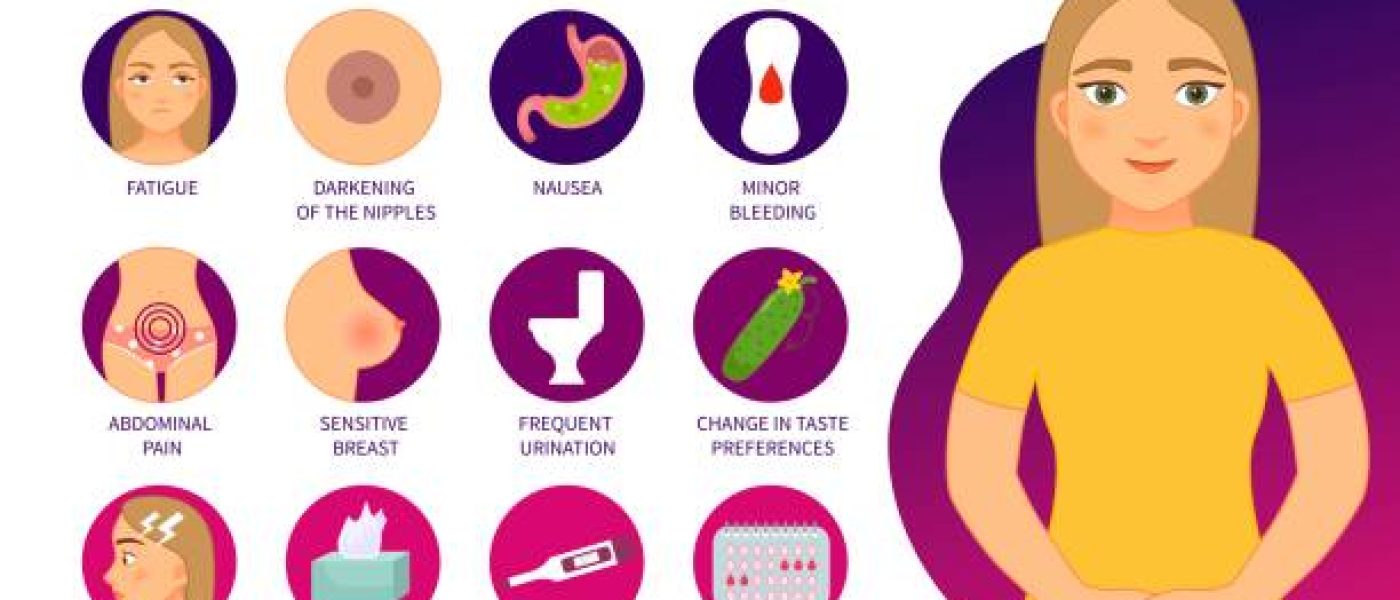
The journey of pregnancy is exciting, and it is filled with physical and emotional changes. While every woman goes through different experiences, understanding common symptoms from month to month may help you feel more prepared. Because when you know what to expect, you can recognise the time when you need to seek medical advice.
First Month: Early Changes
During the first month, women sometimes may not realise they are pregnant; some of the early symptoms can appear. Thesee common symptoms include:
- Missed period
- Fatigue
- Breast tenderness
- Mild cramping
- Light spotting
- Mood changes
The hormonal changes begin as soon as after conception and cause these early signs.
Second Month: Symptoms Become More Noticeable
As the hormone for pregnancy continues to rise, symptoms become stronger. And it is the stage when a lot of women choose to schedule their first prenatal appointment. Common symptoms for this month include:
- Morning Sickness
- Increased tiredness
- Frequent urination
- Food cravings
- Food aversions
- Bloating
Third Month: End of the First Trimester
The risk for miscarriage starts decreasing as the first semester comes to an end. And some women also notice their energy levels begin to improve. Common symptoms are:
- Nausea and vomiting
- Constipation
- Heartburn
- Mood swings
- Headaches
Fourth Month: Entering the Second Trimester
Some women consider this the most comfortable stage of pregnancy. The uterus continues to expand as the baby grows.
Common symptoms include:
- Increased energy
- Reduced nausea
- Growing baby bump
- Increased appetite
- Skin changes
Fifth Month: Feeling Baby Movements
This is the most exciting month because a lot of mothers begin to feel their baby’s movements. And the regular parental check up are important during this stage. Common symptoms include
- Baby Kicks and movements
- Back pain
- Leg cramps
- Mild swelling
- Increased appetite
Sixth Month: Continued Growth
As the baby continues to develop, the body continues to adjust. That’s why you need to maintain healthy habits so you can manage these changes.
Common symptoms include:
- Backaches
- Swollen feet and ankles
- Heartburn
- Stretch marks
- Trouble sleeping
Seventh Month: Beginning of the Third Trimester
The final trimester begins, and it starts with bringing new physical challenges. Because in this stage, the baby continues to gain weight rapidly. Common symptoms include:
- Shortness of breath
- Increased fatigue
- Braxton Hicks contractions
- Swelling
- Difficulty sleeping
Eighth Month: Preparing for Birth
The body starts preparing for labour. Rest becomes very important in this stage. Common symptoms include:
- Pelvic pressure
- Frequent urination
- Stronger Braxton Hicks contractions
- Back pain
- Difficulty finding a comfortable sleeping position
Ninth Month: Final Weeks of Pregnancy
The baby is almost ready to be born. That’s why regular communication with your health care provider is essential during this stage. Common symptoms include:
- Increased pelvic pressure
- Lightening (baby dropping lower)
- Frequent bathroom visits
- Fatigue
- Early labour signs
Tips for a Healthy Pregnancy:
To maintain a healthy pregnancy.
- Attend regular prenatal appointments.
- Eat a balanced diet.
- Stay hydrated.
- Get enough rest.
- Take prenatal vitamins as recommended.
- Follow your doctor’s advice.
How Koohi Goth Hospital Supports Expecting Mothers:
Maternity Services provided at Koohi Goth Hospital assist women during any phase of the pregnancy continuum. Women receive assistance in making informed choices regarding their well-being as well as guidance through early prenatal appointments, labour or delivery and following the birth of their child through postnatal services. By attending routine check-ups and obtaining timely medical advice, mothers will be able to have a safer and healthier pregnancy experience.
Conclusion:
Numerous changes are occurring every month during a pregnancy. Staying familiar with these changes will help you be more knowledgeable, confident, and prepared for each stage of your pregnancy journey. Receiving consistent medical treatment, maintaining a healthy lifestyle, and following professional advice are all factors contributing to a healthy pregnancy and the overall health of the mother and child.
FAQ’s
Q1: Do all women experience the same pregnancy symptoms?
No. Pregnancy symptoms vary from one woman to another. Some women experience many symptoms, while others experience very few.
Q2: When does morning sickness usually start?
Morning sickness commonly begins during the second month of pregnancy, although it can start earlier for some women.
Q3: When can I feel my baby move?
Most women begin to feel fetal movements between the fifth and sixth month of pregnancy.
Q4: When should I contact a doctor?
Contact your healthcare provider if you experience severe pain, heavy bleeding, decreased fetal movement, or any concerning symptoms.

Quick links
Subscribe to Our Newsletter
Copyright © 2026 . All Rights Reserved. Powered By Digital Cube