
Post: Fistula Surgery: What to Expect Before and After Treatment
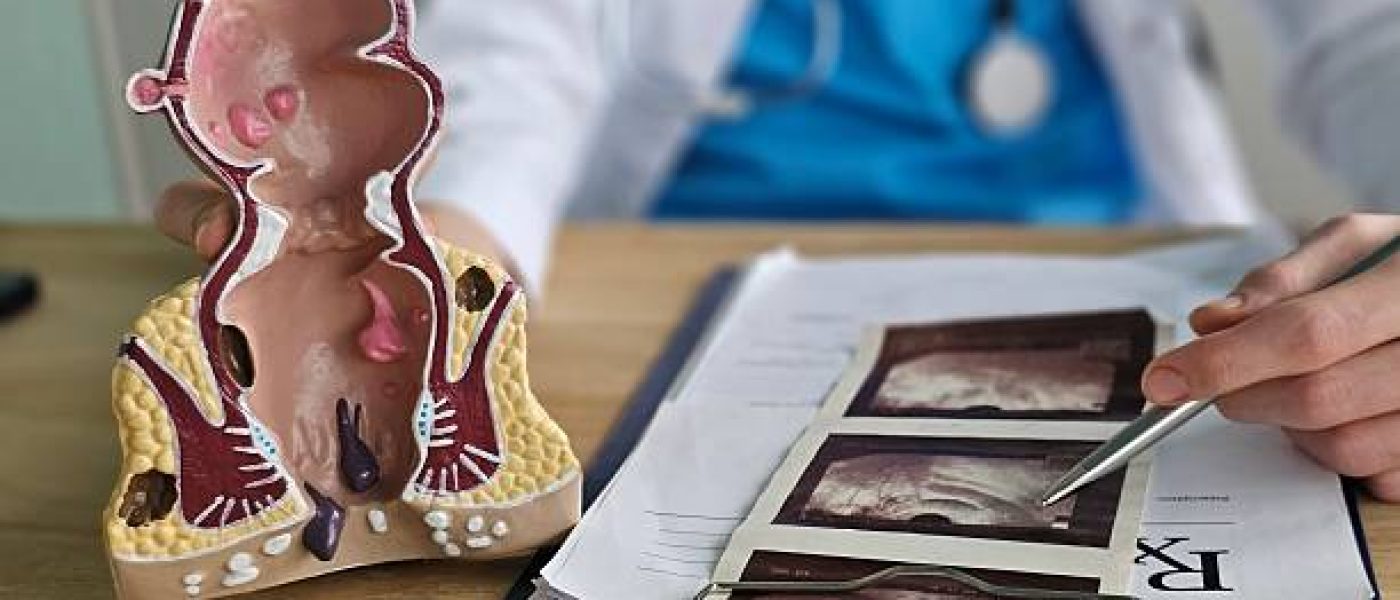
When you are growing with an anal fistula, it can be painful and uncomfortable. Effects your daily routine and can lower the quality of your life. And the primary treatment for it is fistula surgery because it helps patients recover and prevent them from any further complications. When you understand what happens before and after this procedure, it can definitely lower your stress.
At our Koohi Goth hospital, patients receive professional care. And guidance through the complete journey. In this article, we will explain everything you should know about surgery from preparation to recovery.
What Is an Anal Fistula?
A fistula is basically a small tunnel or hole that is formed between the skin near your anus or inside the anal canal. And it is often develops after an infection or abscess which do not heal properly. The most common symptoms include:
- Pain around the anus
- Swelling and redness
- Pus or fluid discharge
- Skin irritation
- Discomfort while sitting
If you do not treat it properly and on time, it can result in repeated infections. That’s why doctors recommend fistula surgery as the most effective treatment.
Preparing for Fistula Surgery:
Before the surgery is started, your surgeon will examine you physically, and they may also order imaging tests. These tests are important to determine your fistula’s location and its complexity. Along with this, doctors also provide you with instructions.
1. Medical Evaluation:
These include your blood test or other routine examinations so that the doctor can ensure you are fit for surgery.
2. Medication Review:
Also you must tell you a doctor related to your medicines, supplements, or any herbal products you are taking. because they are maybe some medicines that need to be stopped temporarily.
3. Fasting Instructions:
There are many cases in which patients are asked not to eat or drink for several hours before surgery.
4. Discuss Recovery Expectations:
When you already know about the recovery process, it can help you reduce anxiety. Moreover, it would help you to plan accordingly.
In this way, proper preparation can make your procedures smoother and support faster healing.
What Happens During Fistula Surgery?
Fistula surgery depends upon its exact location and type. But the main goal is the same in every case, which is to remove or repair the abnormal tunnel and to protect surrounding muscles.
Most of the surgery is performed after giving the patient anesthesia, so that they do not feel pain during the operation. Not only this, but there are a lot of individuals who return home the same day.
Common surgical options include:
- Fistulotomy
- Seton placement
- Advancement flap procedure
- LIFT procedure
What to Expect After Fistula Surgery:
Recovery after fistula surgery varies from patient to patient. However, there are most patient who experienced gradual improvement within a few weeks.
Pain and Discomfort:
It is very normal to have mild pain, swelling, or discomfort after surgery. Your doctor may also prescribe a pain relief medication to help you manage these symptoms.
Wound Care:
Keep your surgical area clean because it is extremely important. That’s why follow all the hygiene instructions that are provided by your healthcare provider.
Diet Changes:
Adding high-fibre food to your diet and plenty of water would help you prevent constipation. As a result of it your bowel movements would become easier and less painful during recovery.
Good food choices include:
- Fruits
- Vegetables
- Whole grains
- Legumes
Follow-Up Visits:
Regular checkups are important because they allow your doctor to monitor your healing and also look after any of your concerns early. Moreover, these follow up appointment help you reduce the risk of complications.
Recovery Tips for Faster Healing:
To support recovery after fistula surgery, consider the following tips:
- Take medications exactly as prescribed.
- Keep the wound clean and dry.
- Avoid heavy lifting for a few weeks.
- Eat fiber-rich foods daily.
- Stay hydrated.
- Attend all follow-up appointments
When Should You Contact Your Doctor?
You should contact your doctor when you notice any of these symptoms. Early treatment can save you from further issues.
- Excessive bleeding
- Severe pain
- High fever
- Increasing swelling
- Unusual discharge
Conclusion:
It is an excellent way to treat anal fistulas and improve comfort by performing surgery on the fistula. You may feel overwhelmed thinking about having surgery, but knowing what to expect before and after the operation can give you confidence. Also, following your doctor’s directions precisely will aid in quick healing and better outcomes for the long term.
If you are having symptoms of a fistula in the anus, you should talk to a healthcare provider about receiving treatment. At Koohi Goth Hospital, you will receive the highest quality of care, the most advanced treatment alternatives, and the kindest possible support during each step of your healthcare journey.
FAQs
- How long does it take to recover from fistula surgery?
Most patients recover within a few weeks, although complete healing may take longer. - Is fistula surgery painful?
The surgery is performed under anesthesia, and post-operative pain is usually manageable with medication. - Can an anal fistula return after surgery?
Yes, recurrence is possible in some cases, especially with complex fistulas. - What should I eat after fistula surgery?
A high-fiber diet and plenty of fluids can help support healing and prevent constipation. - When should I contact my doctor after surgery?
Contact your doctor if you experience severe pain, heavy bleeding, fever, or unusual discharge.

Quick links
Subscribe to Our Newsletter
Copyright © 2026 . All Rights Reserved. Powered By Digital Cube